Walk into almost any factory and you will find machines that still do their job perfectly — presses, CNC mills, injection-moulding units, packaging lines — but were built long before anyone thought about the internet. They are mechanically sound, yet they are silent: they produce no data, they cannot be checked remotely, and when something goes wrong you only find out on the shop floor. Embedded systems are the bridge that turns this silent equipment into connected, observable, controllable assets.
The problem: capable machines, no data
A machine that has run reliably for twenty years is a valuable asset. Replacing it can cost hundreds of thousands of euros and weeks of downtime. The real limitation is rarely the mechanics — it is the lack of information. Without data you cannot answer basic questions: Is the machine actually running right now? How many parts did it make this shift? Is a motor drawing more current than usual? Retrofitting with an embedded system answers exactly these questions.
What "retrofitting with embedded systems" means
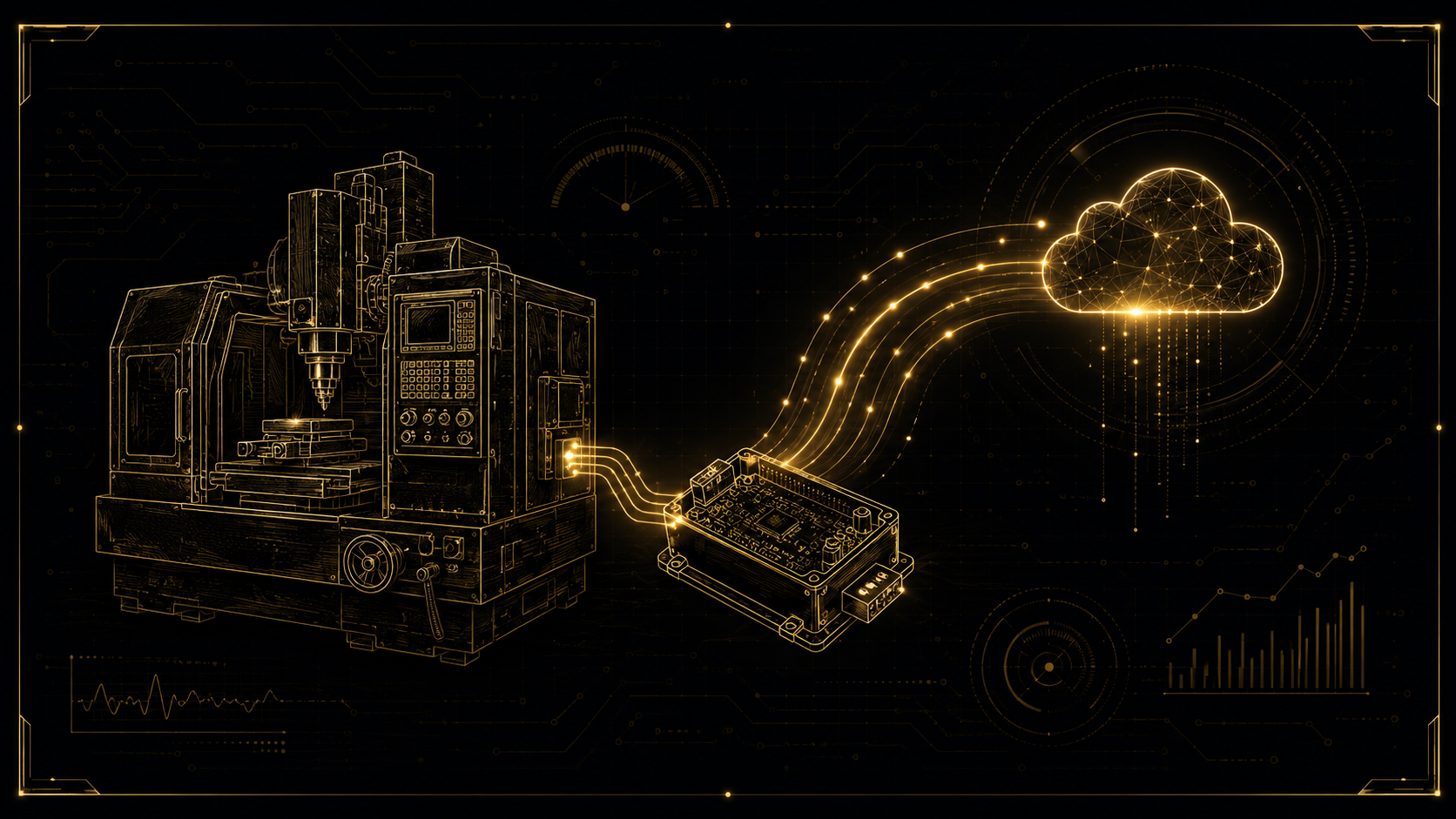
A retrofit adds a small, dedicated electronic device to an existing machine. That device reads the machine's signals, converts them into digital data, and sends them to your network. Depending on your goal it can also send commands back to the machine. You keep the mechanics you already trust and add a modern nervous system on top of it.
Why an embedded system instead of a full replacement
- Cost: a retrofit typically costs a small fraction of a new machine.
- Uptime: the upgrade can often be installed during planned maintenance, not a full stop.
- Fit: the solution is tailored to your exact machine and process, not a generic product.
- Longevity: you extend the useful life of equipment that still works well.
The anatomy of a retrofit
A typical embedded retrofit is built from a handful of well-understood layers:
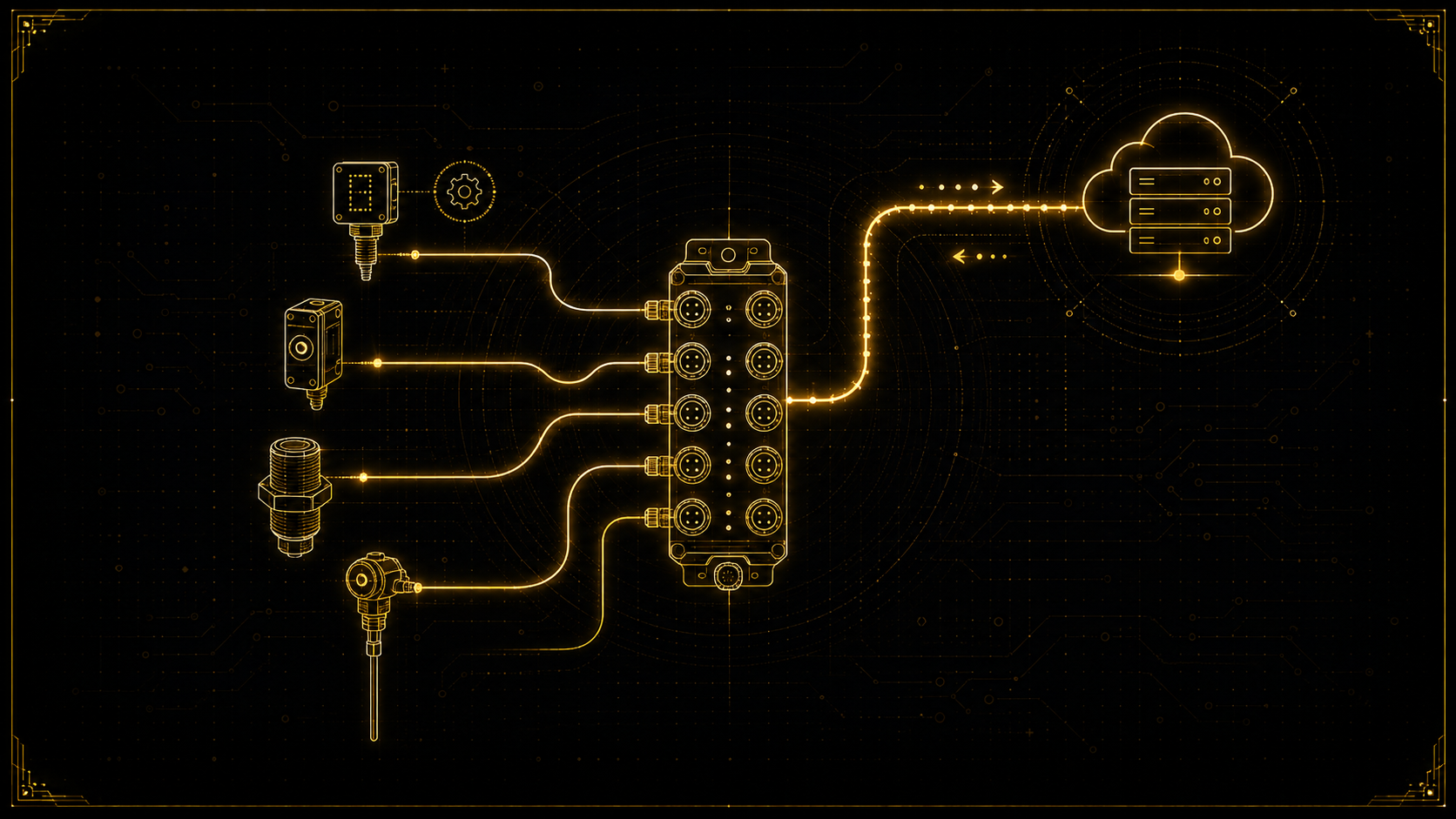
- Sensors: current clamps, temperature and vibration sensors, proximity or optical counters — added where the machine has no built-in signal.
- The embedded controller: a microcontroller or small edge device that reads those sensors and any existing machine signals in real time.
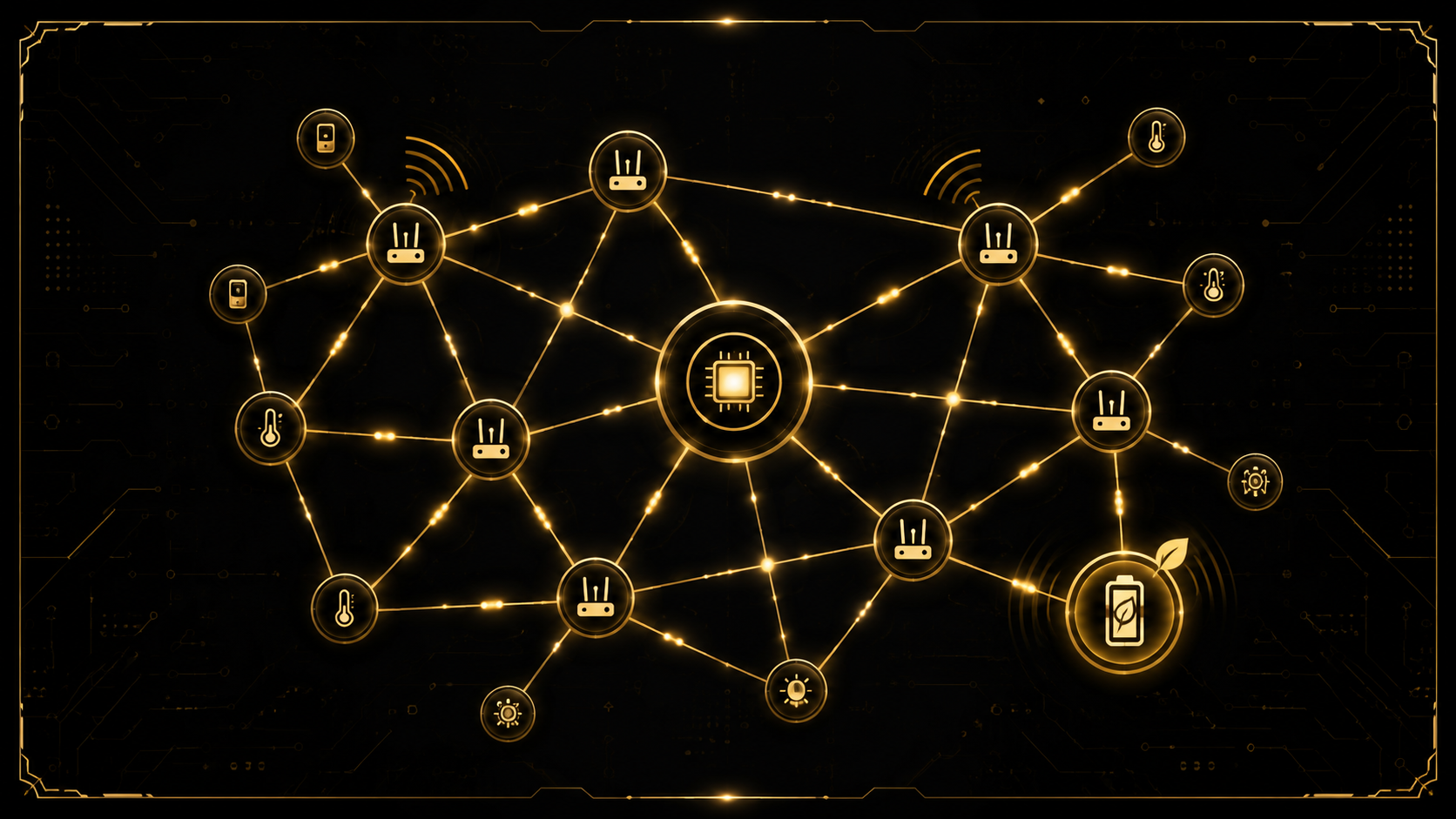
- Connectivity: the link that carries the data to your network (wired or wireless).
- Gateway / edge: a unit that aggregates data, filters it, and optionally makes local decisions before anything reaches a server.
- Dashboard or cloud: where the data becomes charts, alerts and reports for people to act on.
Choosing the right connectivity
There is no single correct answer — the right choice depends on distance, environment and how much data you move:
- Ethernet / Modbus TCP: ideal when a stable cable and a network socket are nearby.
- RS-485 / Modbus RTU: robust, proven for industrial wiring over longer distances.
- CAN bus: common where the machine already speaks CAN.
- Wi-Fi: convenient inside a workshop with good coverage.
- Cellular (LTE / NB-IoT): perfect for remote or mobile equipment with no local network.
- LoRa: for low-data, long-range sensing across a large site.
From monitoring to control
A safe retrofit is done in two stages. First, monitor only: read data, learn how the machine really behaves, and build trust in the numbers. Once monitoring is solid, you can add control — starting and stopping cycles, adjusting setpoints, or reacting automatically to a fault. Control is powerful, but it must be designed with proper safety interlocks so the embedded system can never put people or the machine at risk.
Do not forget security
The moment a machine goes online, it becomes part of your attack surface. A professional retrofit uses encrypted communication, authenticated devices, network segmentation that keeps machines separate from office IT, and signed firmware updates. Security is not an add-on at the end — it is designed in from the first sketch.
A practical, low-risk approach
- Start with one machine: pick a single critical or problematic unit as a pilot.
- Define the question: decide the one metric that matters most (uptime, output count, energy, temperature).
- Monitor first: collect data for a few weeks before changing anything.
- Prove the value: show the saved downtime or the insight, then roll out to the next machines.
The payoff
Once your machines are connected, the benefits compound: real-time overview of the whole floor, predictive maintenance that warns you before a breakdown, accurate output and energy figures, and remote diagnostics that save an engineer's trip. In short, you turn a fleet of silent machines into a transparent, data-driven operation — while keeping the equipment you already own.
If you are considering connecting or modernizing existing machinery and want a tailored embedded solution, get in touch — I am happy to discuss the right approach for your equipment.